
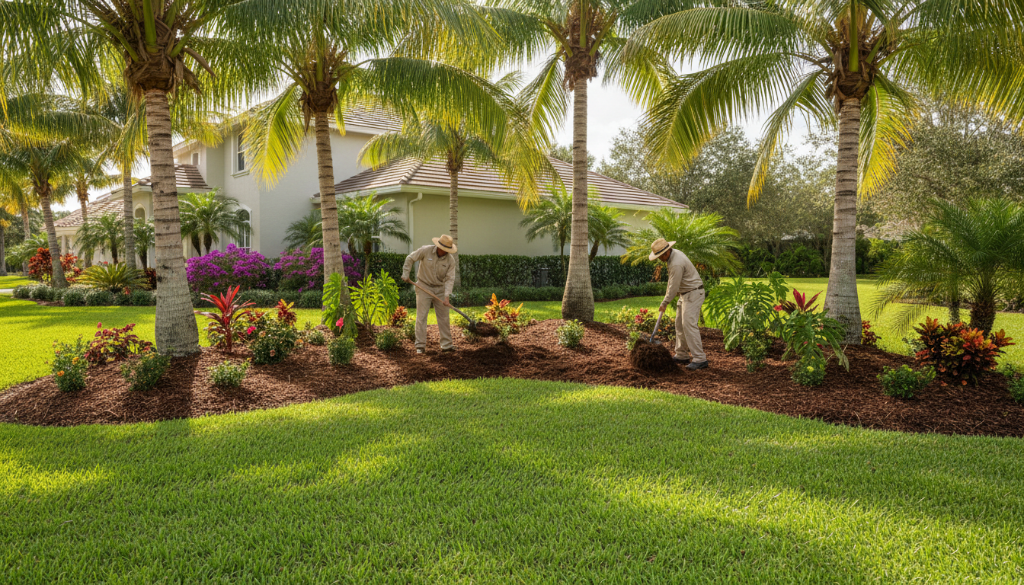
Understanding Florida's "Winter" Lawn Needs
While our friends up north are dealing with snow and ice, Central Florida's winter (December through February) brings cooler temperatures and slower grass growth. However, your lawn still needs attention - just a different approach than summer care.
What Happens to Grass in Florida Winter
St. Augustine Grass (Most Common):
- Goes semi-dormant when temperatures drop below 55°F
- Growth slows significantly but doesn't stop
- May develop brownish tint in coldest weather
- Usually stays green with proper care
- Root development continues even when top growth slows
Bahia Grass:
- More cold-tolerant than St. Augustine
- Maintains better color in winter
- Requires less maintenance
- Slower to green up in spring
Mowing Adjustments for Winter
Frequency Changes:
- Reduce mowing to every 10-14 days (from weekly in summer)
- Skip mowing during cold snaps (below 50°F)
- Wait for grass to dry completely before mowing
- Watch growth rate and adjust accordingly
Height Settings:
- Keep St. Augustine at 4 inches (slightly taller than summer)
- Taller grass provides insulation for roots
- Never remove more than 1/3 of blade length
- Higher cut helps lawn retain moisture
Blade Maintenance:
- Keep mower blades sharp (even more critical in winter)
- Dull blades tear grass, inviting disease
- Damaged grass takes longer to recover in cool weather
- Sharpen or replace blades at start of winter
Winter Watering Strategy
Dramatically Reduce Frequency:
- Once every 10-14 days typically sufficient
- Adjust based on rainfall (Florida winter = dry season)
- Watch for actual signs of drought stress
- Morning watering remains best practice
Signs Your Lawn Needs Water:
- Grass blades folded or curled inward
- Blue-gray tint instead of green
- Footprints remain visible after walking
- Soil pulls away from sidewalks
Frost Considerations:
- Avoid watering if frost predicted overnight
- Wet grass + freezing temps = more damage
- Water earlier in the day (7-9 AM)
- Skip scheduled irrigation on very cold nights
Fertilization: Hold Off Until Spring
Why Skip Winter Fertilizer:
- Grass isn't actively growing
- Nutrients wash away unused
- Can promote weak, frost-susceptible growth
- Risk of fertilizer burn higher in dormancy
- Waste of money and potentially harmful
Best Fertilization Schedule:
- March/April: First application as grass greens up
- Summer: Regular applications through growing season
- Fall: Last feeding in October
- Winter: NO fertilization needed
Exception - Iron Supplements:
- Safe to apply for color enhancement
- Doesn't stimulate growth
- Helps maintain green appearance
- Follow label directions carefully
Weed Control in Winter
Annual Weed Prevention: Winter is actually prime time for pre-emergent herbicides:
- Apply in December/January
- Prevents spring weeds from germinating
- Targets annual bluegrass, chickweed, henbit
- Must apply BEFORE weeds appear
- Follow product timing carefully
Existing Weed Treatment:
- Spot-treat visible weeds with post-emergent herbicides
- Cool-season weeds actively grow in winter
- Target chickweed, dollarweed, clover
- Avoid treating dormant or stressed grass
- Hand-pull when possible
Common Winter Weeds in Our Area:
- Annual bluegrass (Poa annua)
- Chickweed
- Henbit
- Clover
- Dollarweed (year-round problem)
Protecting Your Lawn from Cold Damage
Frost Protection:
- Avoid walking on frosted grass
- Don't mow frozen grass
- Thaw naturally - no hot water!
- Keep lawn healthy going into winter (better cold tolerance)
Preparing for Rare Freezes:
- Water lawn day before freeze (moist soil holds heat)
- Cover sensitive plants with sheets/blankets
- Bring potted plants inside
- Protect irrigation system components
Cold Damage Recovery:
- Wait 2-3 weeks to assess damage
- Brown tips will grow out naturally
- Avoid fertilizing damaged grass
- Resume normal care once temperatures stabilize
- Severe damage may require spring renovation
Disease Prevention in Winter
Common Winter Lawn Diseases:
-
Brown Patch Fungus
- Most common in cooler, wet conditions
- Circular brown patches up to several feet wide
- More likely in overfertilized or overwatered lawns
- Prevention: Proper watering, avoid nitrogen in winter
-
Gray Leaf Spot
- Thrives in cool, humid conditions
- Small brown spots with gray centers
- Prevention: Reduce watering, improve air circulation
Disease Prevention Tips:
- Water in early morning only
- Avoid evening watering (grass stays wet overnight)
- Don't fertilize in winter
- Maintain proper mowing height
- Rake up excessive leaf debris
- Treat with fungicide only if necessary
Lawn Traffic Management
Minimize Damage:
- Avoid walking on stressed or frosted grass
- Create defined pathways in high-traffic areas
- Consider temporary fencing around vulnerable spots
- Lawn recovers more slowly in cool weather
High-Traffic Solutions:
- Install stepping stones or pathways
- Use mulch in heavy-use areas
- Plant more durable ground covers
- Overseed worn spots in spring
Leaf Management
Why It Matters: Florida has many deciduous trees that drop leaves in "winter" (really late fall):
- Oak trees
- Sweet gum
- Maple varieties
- Camphor trees
Best Practices:
- Remove heavy leaf cover promptly
- Light covering can be mulch-mowed
- Thick layers block sunlight and trap moisture
- Composted leaves make excellent mulch
- Keep beds and lawns clear for health
Irrigation System Winter Maintenance
System Adjustments:
- Reduce run times by 50-75%
- Cut back watering days significantly
- Install or activate rain sensor
- Check for leaks and waste
- Consider turning off during coldest weeks
Freeze Protection:
- Insulate above-ground backflow preventers
- Know how to drain system if hard freeze predicted
- Cover exposed pipes with foam insulation
- Keep controller in freeze-protected area
Preparing for Spring Green-Up
January/February Tasks:
- Scout for damage or bare spots
- Plan any renovation projects
- Order grass plugs or sod for spring
- Schedule aeration if needed
- Sharpen all lawn care tools
- Service lawn mower for spring
Late Winter (February):
- Begin watching for new growth
- Start gradual increase in watering
- Plan first spring fertilization
- Prepare beds for new planting
- Consider soil testing before spring feeding
Common Winter Lawn Mistakes to Avoid
- Over-watering - Leading cause of winter lawn problems
- Fertilizing dormant grass - Wastes money, risks damage
- Mowing too short - Removes cold protection
- Ignoring disease symptoms - Treat early for best results
- Disturbing frosted grass - Causes permanent damage
- Excessive foot traffic - Compounds stress
- Trying to force growth - Let nature take its course
Central Florida Winter Weather Patterns
What to Expect:
- Average highs: 70-75°F
- Average lows: 50-55°F
- Occasional cold fronts bring temps to 30s-40s
- Dry season: Minimal rainfall
- Rare frosts possible (2-3 times per season)
- Warm spells can occur anytime
Be Flexible:
- Adjust care based on actual conditions
- Some winters are warmer/cooler than others
- Monitor grass response to conditions
- Don't follow rigid schedule blindly
Professional Winter Maintenance
Consider hiring professionals for:
- Reduced-frequency mowing - Every other week service
- Winter weed control programs - Pre and post-emergent treatments
- Disease monitoring and treatment - Early detection prevents spread
- Irrigation system adjustments - Optimize for winter needs
- Spring preparation - Soil testing, renovation planning
The Bottom Line
Winter lawn care in Central Florida is about doing less, not more. Reduce watering, mow less frequently, skip fertilization, and let your grass rest. Focus on prevention (weeds and disease) rather than aggressive growth promotion. Come spring, your lawn will reward your restraint with vigorous, healthy growth.
Need professional guidance through Florida's winter? Expert lawn care services provide season-appropriate maintenance that keeps your grass healthy without overdoing it, ensuring a beautiful green lawn year-round.