
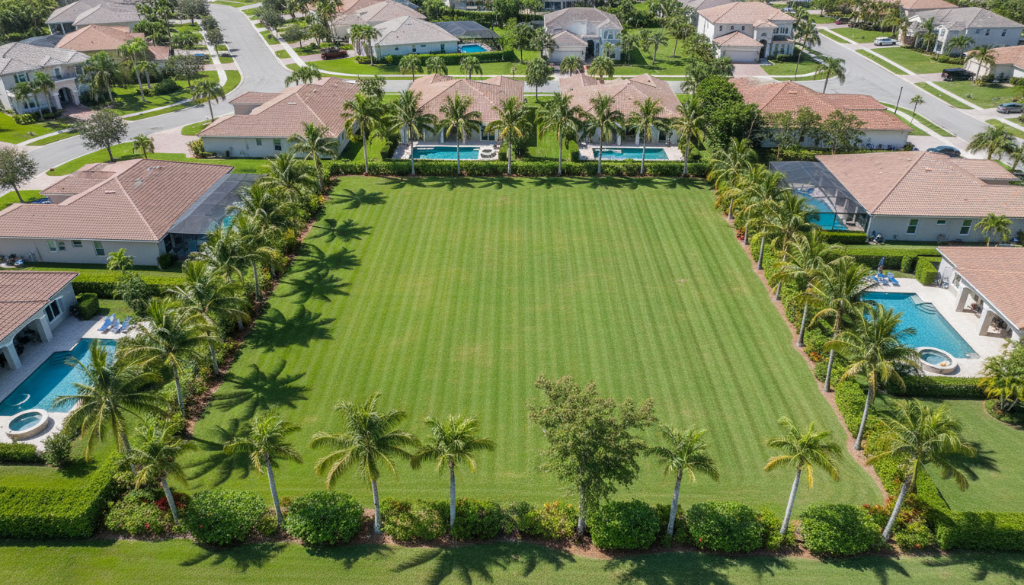
When and How to Fertilize Your Lawn in St. Cloud
Keeping your lawn healthy and vibrant is essential for enhancing curb appeal and overall property value. However, knowing when and how to fertilize your lawn in St. Cloud, Florida, requires understanding the unique climate and growing conditions of Central Florida. In this guide, we’ll walk you through everything you need to know to achieve a lush green lawn throughout the seasons.
Understanding Florida’s Climate
Florida has a subtropical climate with hot summers and mild winters. This affects how and when you should fertilize your lawn:
- Warm Seasons: The hot weather during summer can stress your lawn. Hence, fertilizing during the early growing period is essential.
- Cool Seasons: Although cooler, winter in Florida can still be a growing period for some grass types, so adjusting fertilizer practices is vital.
The Best Times to Fertilize
Fertilization in St. Cloud should align with the growth cycles of your grass type. Here are some recommended times:
-
Early Spring (March - April):
- This is the best time to start fertilizing warm-season grasses like St. Augustine and Bermuda.
- Use a slow-release nitrogen fertilizer to provide steady nutrients as the grass begins to grow.
-
Mid-Summer (June - July):
- A second application can help sustain growth during the summer heat.
- Opt for a balanced fertilizer to keep the lawn vibrant and healthy.
-
Early Fall (September):
- Applying fertilizer in early fall is crucial as it prepares the grass for dormancy while ensuring sufficient nutrient levels.
- Consider a fertilizer high in potassium to enhance disease resistance and root development as temperatures start to cool.
How to Fertilize Your Lawn
Fertilizing your lawn requires careful preparation and execution. Here’s how to do it effectively:
-
Choose the Right Fertilizer:
- Granular vs. Liquid: Granular fertilizers are slow-release and usually preferred for lawn applications as they provide long-lasting nutrients. Liquid fertilizers can be effective but require more frequent applications.
- NPK Ratio: Look for a balanced NPK (Nitrogen-Phosphorus-Potassium) ratio suitable for your grass type. For instance, a ratio of 3-1-2 works well for St. Augustine grass.
-
Prepare the Lawn:
- Mow your lawn a day before fertilizing to allow for better nutrient absorption and to minimize lawn stress.
- Water your lawn lightly before application if it has been dry, as the moisture helps prevent burning the grass.
-
Apply Fertilizer Evenly:
- Use a broadcast spreader for a uniform application across your lawn. This tool allows you to evenly distribute fertilizer without overapplying in certain areas.
- Follow the manufacturer’s instructions for the application rate; applying too much can lead to lawn stress, while too little may not benefit your grass sufficiently.
-
Water the Lawn After Fertilizing:
- Watering your lawn after fertilizing (within 24-48 hours) will help activate the fertilizer and prevent the grass from burning.
- Aim for at least 1 inch of water post-application to ensure nutrients soak into the root zone.
Analyzing Your Lawn’s Needs
Before straightaway applying fertilizer, assess your lawn’s current condition:
- Soil Test: Conducting a soil test can help identify nutrient deficiencies or pH issues that need addressing. Local agricultural extension services can assist with this process.
- Signs of Nutrient Deficiency: Look for signs such as discoloration, thin patches, or excessive weeding. These can be indicators that your lawn is in need of fertilization.
Common Mistakes to Avoid
- Over-fertilization: Too much fertilizer can lead to lawn burn and environmental runoff. Stick to recommended rates and avoid applying fertilizer before heavy rainfall.
- Ignoring Weed Control: Fertilizing without addressing weed issues will only encourage weed growth. Consider applying a pre-emergent herbicide before your first fertilizer application in spring.
Conclusion
Fertilizing your lawn in St. Cloud, Florida, requires timed applications and careful planning tailored to the local climate and grass type. Following the guidelines above will help ensure a thriving, healthy lawn. If you still feel overwhelmed or would like a professional touch, consider reaching out to Sunrise Elite Lawn & Landscaping. Our team can provide tailored fertilizing schedules and lawn care services suited to your needs!
Call for Action
Call us today or visit our website to learn more about our services!