
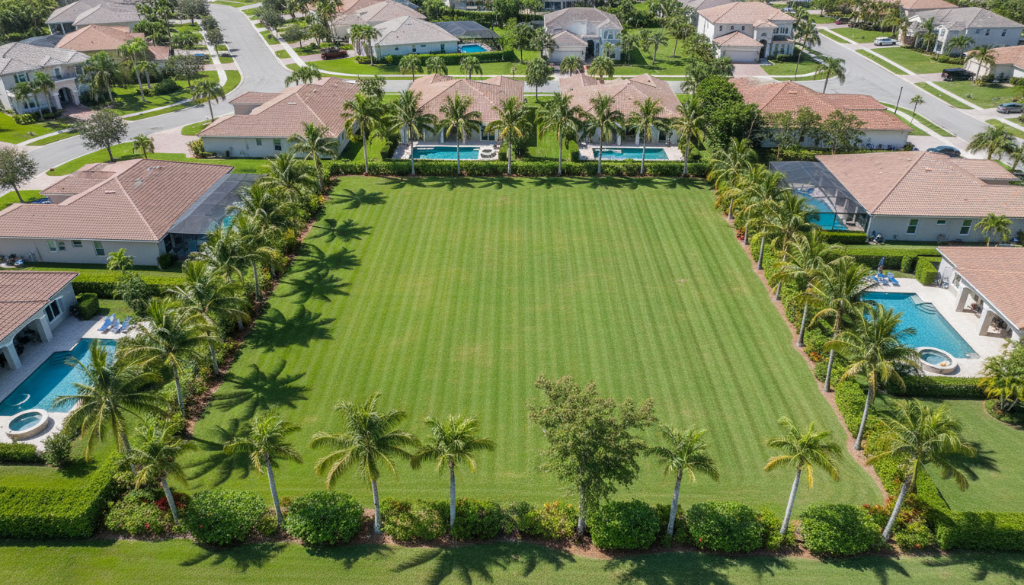
Smart Irrigation Tips for Water Conservation in Kissimmee
Living in the beautiful region of Kissimmee, Florida, we enjoy a warm climate that allows our lawns and gardens to thrive. However, this also means we need to be mindful of our water usage, especially during the hot summer months. Conserving water while maintaining a beautiful yard is not only environmentally friendly but also beneficial for your utility bills. Here are some effective irrigation tips tailored for homeowners in Kissimmee to help you manage your water consumption wisely.
1. Understand Your Lawn’s Needs
Before investing in an irrigation system, it's essential to understand the watering requirements of your lawn. Different grass types have different needs:
- Bermudagrass thrives in the heat but needs regular watering.
- Zoysiagrass is more drought-resistant and requires less frequent irrigation.
- St. Augustinegrass, common in Florida, needs consistent moisture but can tolerate short dry spells.
2. Optimize Watering Times
Water your lawn either early in the morning or late in the evening. This reduces evaporation rates as temperatures are cooler. Ideally, watering should occur:
- Before 10 AM or after 6 PM.
Setting your irrigation system for these times will make the most of every drop!
3. Use a Smart Irrigation System
Smart irrigation controllers use weather data to adjust your watering schedule automatically. This technology can prevent over-watering during rainy periods or adjust to the natural moisture levels in your soil. Here’s why they’re advantageous:
- Water-efficient
- Convenient to use
- Environmentally friendly
Investing in a smart system can save you time and money while preserving water resources.
4. Check for Leaks
Regularly inspect your irrigation system for any leaks or faulty sprinkler heads. Even a small drip can waste significant amounts of water over time. Make it a habit to:
- Examine your hoses, fittings, and timers.
- Adjust sprinkler heads to ensure water is reaching the lawn and not the driveway.
5. Adjust Sprinkler Settings
In the rainy season, decrease the frequency of your irrigation. Florida experiences heavy rainfall that can saturate the soil, meaning supplemental watering is often unnecessary.
- Observe the weather and adjust your sprinklers accordingly so that you are not watering during or after a rain event.
- Tilt heads slightly away from paved areas to ensure water goes to plants, not driveways or sidewalks.
6. Collect Rainwater
Installing a rain barrel can help you collect rainwater during storms, which can then be used to irrigate your lawn and garden. This eco-friendly practice not only conserves tap water but also saves you money. When using rainwater:
- Ensure the barrel has a proper filtration system to keep debris out.
- Use non-toxic methods to keep the water clean for plants.
7. Mulching
Adding mulch around your garden and flower beds helps retain moisture and reduces the need for frequent watering. It also helps prevent weeds that compete for water. Here are some benefits of mulching:
- Reduces evaporation from the soil.
- Regulates soil temperature.
- Enhances garden appearance.
Use organic mulch products, like wood chips or straw, that break down and enrich your soil over time!
8. Water Deeply but Infrequently
Rather than shallow watering every day, consider watering deeply a few times a week to encourage deep root growth. This promotes a healthier lawn that can withstand periods of drought better. To know how much to water:
- Aim for about 1 inch of water per week, including rainfall.
- Use a rain gauge to measure your watering.
9. Consider Xeriscaping
If you're looking for a more permanent solution to water conservation, xeriscaping—which involves landscaping with drought-resistant plants—can greatly reduce your need for irrigation. Native plants not only require less water but also promote local biodiversity.
- Research native plants that thrive in Florida's climate and incorporate them into your landscape.
Conclusion
By implementing these irrigation tips tailored to Kissimmee’s unique climate, you can help conserve water and keep your landscape thriving. Water conservation is not just a necessity; it’s an opportunity to nurture a beautiful home environment while contributing to the overall well-being of our planet. If you need help creating a water-efficient landscape or optimizing your current system, consider reaching out to Sunrise Elite Lawn & Landscaping for professional assistance. We’re here to help Floridians achieve the lush, vibrant lawns they desire, with a commitment to sustainability.